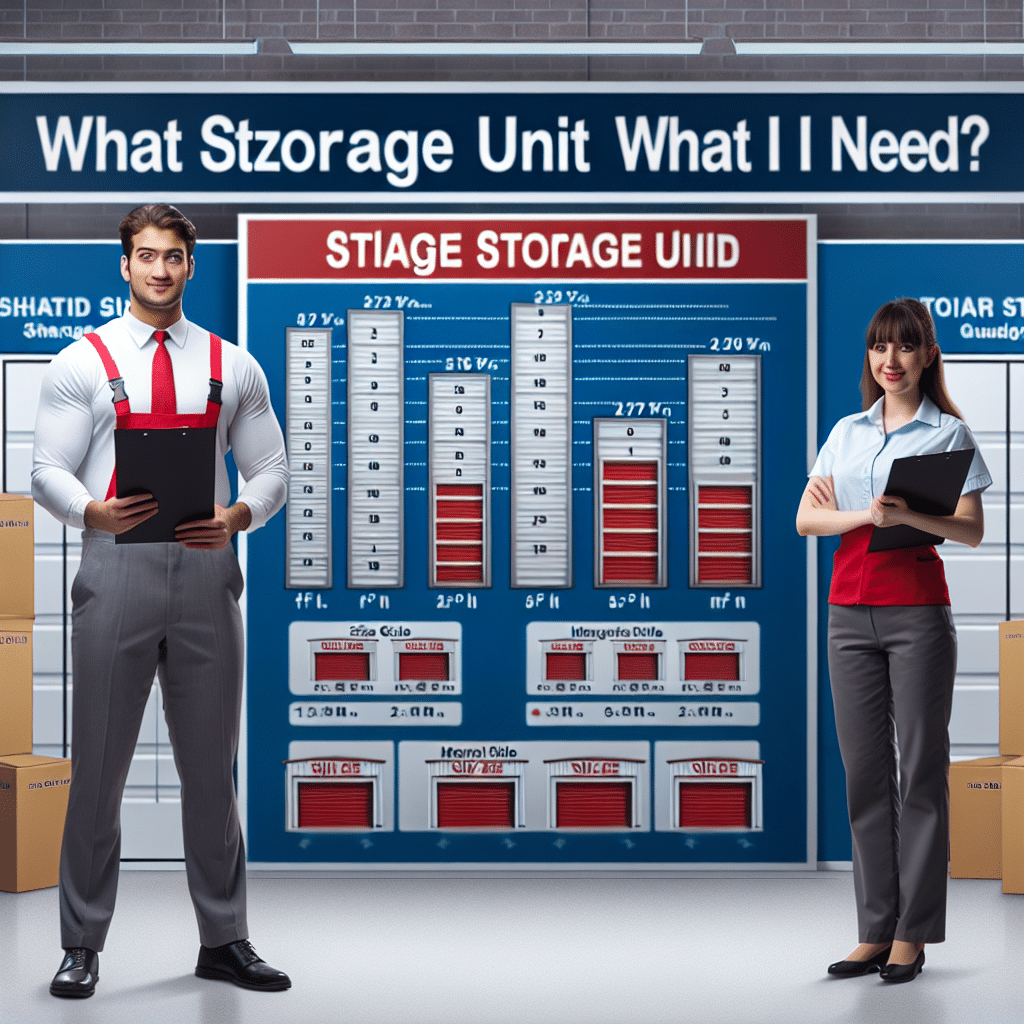
What Size Storage Unit Do I Need? storage unit sizes guide
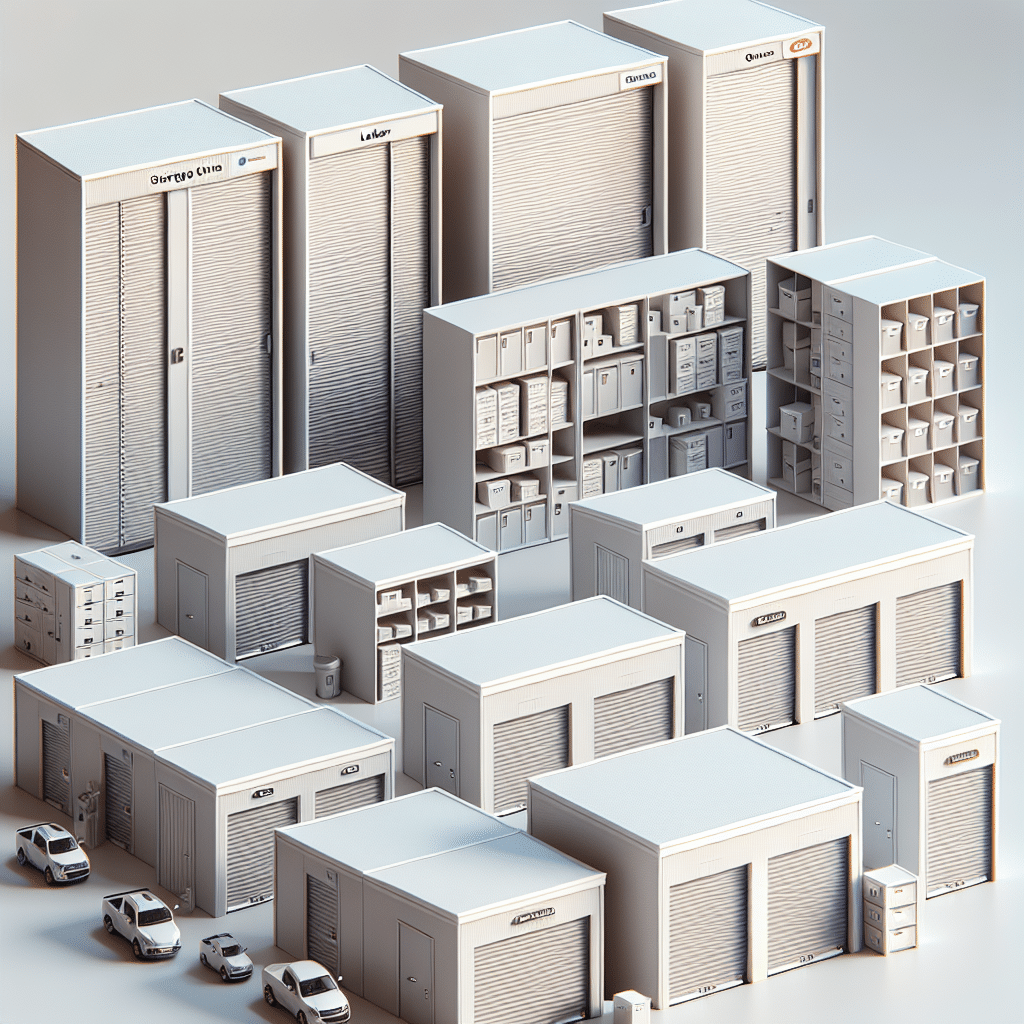
When considering a storage unit, determining the right size is imperative to ensure you have adequate space for your belongings without overspending on unnecessary room. Storage unit sizes typically range from small 5×5 units to larger 10×30 units. This guide will provide detailed insights into various sizes, helping you choose the right fit for your needs.
5×5 Storage Unit
A 5×5 storage unit offers 25 square feet of space, comparable to a small closet. This size is ideal for:
- Seasonal Items: Store holiday decorations, seasonal clothing, or luggage.
- Personal Belongings: If you have a few small furniture pieces or boxes of books, a 5×5 unit can accommodate these items.
- College Students: Perfect for stashing dorm furniture and boxes while home for the summer.
5×10 Storage Unit
Doubling the size, a 5×10 unit provides 50 square feet and is a great option for:
- Small Furniture: You can fit a twin mattress, a small couch, and several boxes.
- Bicycles and Sporting Equipment: Ideal for storing bicycles, surfboards, or other medium-sized sports equipment.
- Office Supplies: Small businesses may find this unit adequate for archiving files and supplies.
10×10 Storage Unit
A 10×10 unit, with 100 square feet, can accommodate:
- One Bedroom’s Worth of Items: This unit can fit the contents of a standard one-bedroom apartment, including a queen mattress, box spring, and a few medium boxes.
- Furniture and Appliances: You can store larger items, such as a sofa, dresser, or a small refrigerator.
- Business Storage: Small businesses may utilize this space for inventory, tools, or equipment.
10×15 Storage Unit
Offering 150 square feet, a 10×15 unit is suitable for:
- Two Bedroom’s Worth of Items: A good option for a two-bedroom apartment, capable of holding larger furniture items, several boxes, and appliances.
- Large Equipment: Perfect for contractors needing to store tools and equipment safely.
- Apartment Transition: This size also works well when moving between larger spaces, accommodating sofas, beds, and other essentials.
10×20 Storage Unit
With 200 square feet of space, a 10×20 unit is extremely versatile:
- Three Bedroom Homes: This size can store the belongings of a three-bedroom house, including larger furniture items and numerous boxes.
- Vehicles: Many utilize this space for mid-sized vehicles, such as trucks or SUVs, providing ample room for protection against the elements.
- Long-Term Storage Needs: Ideal for long-term holdings, keeping seasonal items, furniture, and tools in a safe place.
10×25 Storage Unit
A 10×25 unit, providing 250 square feet of space, is perfect for:
- Three to Four Bedroom Homes: Storing the contents of a larger home, including many boxes and sizable furniture.
- Business Inventory: Certain businesses may find this to be sufficient for extensive inventory storage, bulk supplies, or equipment.
- Moving Needs: Great for those in transition, needing ample space to keep items while relocating.
10×30 Storage Unit
At the top of storage unit sizes, a 10×30 unit offers 300 square feet, suitable for large-scale storage requirements:
- Four Bedroom Homes or More: This size can accommodate multiple rooms’ worth of furniture, including large sofas, appliances, and numerous boxes.
- Vehicle Storage: Suitable for larger vehicles, including boats or RVs, alongside other belongings.
- Commercial Storage: Businesses with substantial inventory or heavy machinery might opt for this size to consolidate.
Other Storage Unit Considerations
Vertical Space: Remember that most storage units offer vertical space as well, so stacking boxes or using shelving can increase the utility of smaller units.
Climate Control: Depending on what you plan to store, consider climate-controlled units which protect against temperature extremes and humidity. This is particularly crucial for items like wood furniture, musical instruments, or electronics.
Tips for Evaluating Storage Needs
- Inventory Your Belongings: Before choosing a unit, list everything you plan to store. Assess whether some items are worth retaining or can be sold/donated.
- Consider Accessibility: Think about how often you’ll need to access your items. If frequent access is essential, you may prefer a smaller, more affordable unit.
- Future Needs: Anticipate any future needs—will you be adding more items in the near future? Picking a size that can accommodate growth may save you the hassle of upgrading later.
Using Storage Unit Calculators
Many storage facilities provide online calculators to estimate your needs. By inputting details about your items, you can receive tailored recommendations for unit sizes that best suit your possessions.
Pricing and Availability
Prices vary based on location, availability, and additional features like climate control. Some metropolitan areas may experience higher rental costs, so consider shopping around. If budget is a concern, inquire about discounts for long-term rentals or promotional rates.
Conclusion
Understanding your storage needs requires careful assessment of your belongings, future expectations, and specific unit requirements. By breaking down the dimensions and potential contents of each unit size, you can make an informed decision that balances space and budget effectively.